
Wondering if Invisalign is the right choice for your teen's orthodontic needs? You're not alone! With the increasing popularity of Invisalign among teens, many parents are curious about this modern alternative to traditional braces.
Invisalign offers a discreet and comfortable way to straighten teeth, but is it the best option for your teenager? In this post, we'll dive into the pros, cons, and essential information you need to make an informed decision about Invisalign for your teen.
What Is Invisalign and How Does It Work?
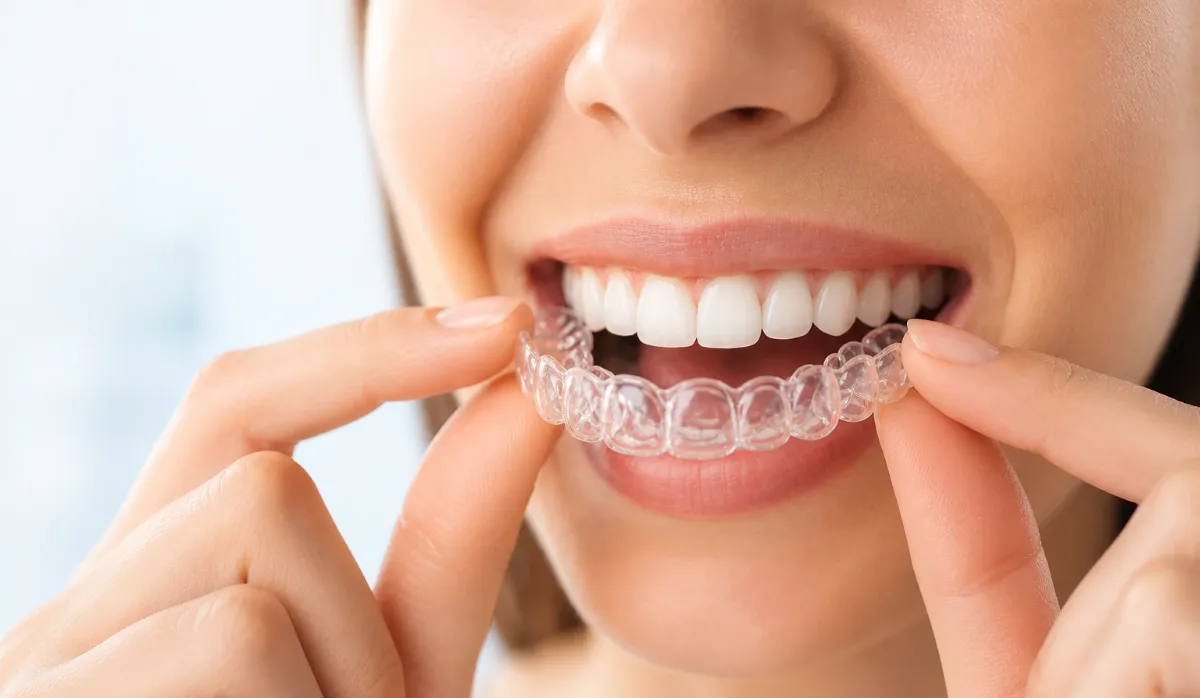
Invisalign is a modern orthodontic treatment that uses clear, removable aligners to straighten teeth. Unlike traditional metal braces, Invisalign aligners are nearly invisible, making them a popular choice for teens who may feel self-conscious about wearing braces. The technology behind Invisalign involves creating a series of custom-made aligners designed specifically for your teen's teeth.
The process begins with an initial consultation where your dentist takes a digital scan of your teen's teeth. The scan is used to create a 3D model, which is used to design a personalized treatment plan.
Once the aligners are ready, your teen will switch to a new set every one to two weeks, gradually shifting their teeth into the desired position. Regular check-ups ensure the treatment is progressing as planned, with new aligners provided throughout the process.
Pros of Invisalign for Teens
One of the biggest advantages of Invisalign for teens is its aesthetic appeal. The clear aligners are virtually invisible, allowing your teen to smile confidently without the metallic look of traditional braces. This can be particularly important during the teenage years when self-esteem and appearance are often top concerns.
Comfort is another significant benefit. Invisalign aligners are made from smooth plastic, which means they don't have to deal with the metal brackets and wires that can cause irritation and discomfort. Your teen can also remove the aligners when eating, brushing, and flossing, making oral hygiene much more manageable. This removability extends to special occasions, like prom or sports events, where your teen might prefer to take them out for a short time.
Moreover, Invisalign doesn't come with the same dietary restrictions as traditional braces. Teens can enjoy their favourite foods without worrying about damaging their orthodontic devices. Whether it's popcorn at the movies or a crunchy apple, your teen can eat freely, as long as they remember to take out and then replace their aligners.
Cons of Invisalign for Teens
However, Invisalign isn't without its challenges. One of the main drawbacks is the discipline required. According to Invisalign, teens should wear their aligners 20 to 22 hours per day to achieve the desired results. This means they need to be diligent about putting them back in after eating or brushing. For some teens, this level of responsibility can be difficult to maintain.
There's also the potential for misplacement. Since the aligners are removable, there's a risk they could be lost or misplaced, which can interrupt the treatment process and potentially bring additional costs.
What Parents Need to Know
As a parent, your role in supporting your teen through their orthodontic treatment is crucial, especially when it comes to Invisalign treatment. Monitoring their progress and ensuring they wear the aligners as directed can help achieve the best results. Regular dental visits are also important to check progress and make any necessary adjustments.
Addressing your teen's concerns and questions about Invisalign can also be helpful. Some teens may worry about the discomfort of the aligners or feel anxious about the responsibility of wearing them consistently. Providing reassurance and practical tips can make a big difference. Encouraging open communication and being a supportive presence will help your teen feel more comfortable and committed to the treatment.
It's also essential to consider the long-term benefits of Invisalign. The investment in your teen's smile can boost their confidence and oral health for years to come. As the Canadian Dental Association explains, straight teeth are easier to clean and less likely to get tooth decay or be injured.
Frequently Asked Questions About Invisalign for Teens
Is Invisalign good for teens?
Invisalign can work well for teens with crowding, gaps or some bite problems, especially those who want a discreet, removable option and are ready to wear their aligners 20 to 22 hours a day. Teens with more complex bite problems may be better suited to braces. An orthodontic assessment shows which option fits.
What are the disadvantages of Invisalign for teenagers?
The main drawbacks are the daily wear time and the responsibility that comes with it. Aligners only work while they are worn, so leaving them out slows progress. They can also be lost or damaged, which can delay treatment and add cost. Parents often help by checking wear time and keeping a case handy.
Is Invisalign as effective as braces for teens?
For mild to moderate crowding and spacing, Invisalign can be very effective when the aligners are worn as directed. Braces are often recommended for moderate to severe crowding or complex bite issues, because they allow precise, controlled tooth movement. Your dentist will recommend the option that suits your teen's case.
Invisalign at Waterdown Smiles Dentistry
Invisalign for teens offers a range of benefits, from aesthetic appeal and comfort to fewer dietary restrictions. However, it also requires a high level of discipline and responsibility. As a parent, understanding both the pros and cons of Invisalign will help you make an informed decision for your teen's orthodontic care.
At Waterdown Smiles Dentistry, Invisalign is provided by an Invisalign-certified dentist, with regular in-person visits to monitor progress and a retention plan once treatment is complete. Ready to explore if Invisalign is the right choice for your teen? Learn more about Invisalign in Waterdown, or book a consultation today and discover how we can help your teen achieve a confident smile.