Did you know that with proper care, porcelain veneers can last for many years? If you've invested in veneers to enhance your smile, it's a good idea to learn how to maintain them.
Veneers are a great option for a beautiful, natural-looking smile, but they need some special care to stay in top condition. In this post, we'll share practical tips to help you extend the life of your dental veneers and keep them looking their best.
Maintaining Your Dental Veneers
Daily Oral Hygiene Routine
The foundation of maintaining your dental veneers starts with a solid daily oral hygiene routine. Brushing your teeth twice a day is very important, but be sure to use a non-abrasive toothpaste. Abrasive toothpastes can scratch the surface of your veneers, dulling their shine over time. Flossing daily is equally important to remove plaque and food particles that can build up around the edges of your veneers, helping to prevent gum disease and maintain oral health.
Technique is important too. Use a soft-bristled toothbrush and gentle, circular motions to clean your teeth without damaging the veneers. When flossing, be careful to avoid snapping the floss into your gums, which can cause irritation.
Adding mouthwash to your routine is also something to think about. An alcohol-free variety is a gentle choice; ask your dental team which type suits your veneers and your gums.
How Diet and Lifestyle Choices Impact Your Veneers
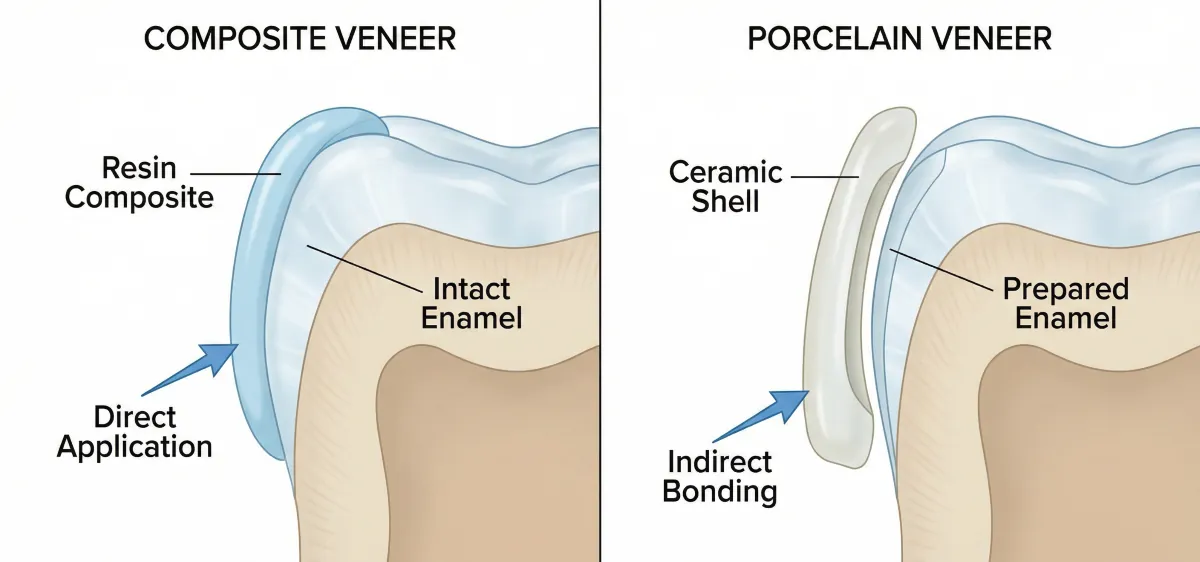
Your diet and lifestyle choices play a major role in how long your veneers last. Certain foods and drinks can stain veneers, especially composite ones, much as they would natural teeth. Coffee, tea, red wine, and certain berries are common culprits. While it's not necessary to eliminate these foods and drinks entirely, try to enjoy them in moderation and rinse your mouth with water afterward to minimize staining. For more on this, read our guide on whether veneers stain.
Hard foods can pose a risk to your veneers as well. Foods like nuts, hard candies, and even ice can cause veneers to chip or crack if bitten into forcefully. Likewise, habits like chewing on pens or using your teeth to open packages can damage your veneers. Another critical factor is smoking. Smoking not only stains your veneers but also affects your overall oral health, leading to issues that could shorten the life of your veneers.
Protecting Your Veneers
Protecting your veneers from physical damage is vital. If you play sports or grind your teeth at night, wearing a guard can make a real difference. A custom night guard is made to fit your teeth and helps protect both your natural teeth and your dental restorations from the wear of grinding; a sports mouthguard protects them during physical activity. Learn more about occlusal night guards in Waterdown.
Avoid using your teeth as tools. It might be convenient to use your teeth to tear open a package or bite your nails, but these habits can lead to chips and cracks in your veneers. Regular dental checkups are another critical part of protecting your veneers. Professional cleanings remove plaque and tartar that regular brushing can't, and your dentist can check for any signs of wear or damage to your veneers, addressing issues before they become significant problems.
Dealing with Potential Issues
Even with the best care, you might run into some issues with your veneers. Tooth sensitivity is a common complaint, especially soon after veneers are placed. If you experience sensitivity, use a toothpaste designed for sensitive teeth and avoid very hot or cold foods and drinks until the sensitivity settles.
If a veneer does get chipped or cracked, see your dentist as soon as possible. Do not try to fix it yourself, as this can cause further damage. Your dentist can assess the damage and decide the best course of action, whether that's repairing the veneer or replacing it.
Be aware of the signs that your veneers might need replacing. If you notice any loosening, significant wear, or discolouration that doesn't improve with cleaning, it might be time to discuss replacement with your dentist. Regular checkups help catch these issues early.
Frequently Asked Questions About Veneers Maintenance
What maintenance is required for veneers?
Veneers need the same daily care as natural teeth: brushing twice a day with a soft brush and non-abrasive toothpaste, flossing daily, and regular dental checkups and cleanings. Avoid biting hard objects, use a night guard if you grind your teeth, and see your dentist promptly if a veneer chips, loosens or changes colour.
How can I make my veneers last longer?
Protect them from damage and wear: wear a night guard if you grind or clench, don't chew ice or use your teeth as tools, limit staining drinks, and keep up with professional cleanings so your dentist can spot small problems early. How long veneers last also depends on the material and your habits; porcelain generally lasts longer than composite.
Dental Veneers at Waterdown Smiles Dentistry
Maintaining your dental veneers doesn't have to be complicated. By following these tips (keeping up with a good oral hygiene routine, making mindful food choices, protecting your veneers from physical damage, and dealing with issues promptly), you can help your veneers last as long as possible.
At Waterdown Smiles Dentistry, we offer composite veneers and porcelain veneers in E.max or zirconia. With good care, porcelain veneers typically last 5 to 10 years, while composite veneers usually last 1 to 2 years, and how long yours last depends on your habits and care. Ready to keep your smile in top shape? Learn more about dental veneers in Waterdown, or book an appointment for personalized advice on caring for your veneers.