Walk down the oral care aisle today and you'll find toothpastes for sensitivity, whitening, gum health and tartar control, plus rows of mouthwashes that promise fresher breath and fewer cavities. With so many new products, it's hard to know which innovations actually help your teeth and which are mostly marketing.
At Waterdown Smiles Dentistry, patients often ask us which products are worth trying. In this article, we'll look at the main innovations in toothpaste and mouthwash, what they can and can't do, and how to choose products that suit your mouth.
Why Toothpaste and Mouthwash Keep Changing
Oral care products keep evolving because people's needs are different. Some patients have sensitive teeth, some are prone to tartar or gum inflammation, and others mainly want a brighter smile. Manufacturers respond with formulas aimed at each concern.
What hasn't changed is the foundation. The Canadian Dental Association recommends brushing at least twice a day with a soft-bristled toothbrush and a fluoride toothpaste, and flossing daily. Every innovation works best on top of that routine, not instead of it.
Innovations in Toothpaste
Fluoride: Still the Core Ingredient
Fluoride remains the most important ingredient in toothpaste because it strengthens enamel and helps protect against cavities. Many newer toothpastes combine fluoride with other ingredients for extra benefits, but fluoride is still the part that does the main protective work.
Toothpastes for Sensitive Teeth
Toothpastes for sensitive teeth contain ingredients designed to calm the nerve response or help block tiny channels in exposed root surfaces. They usually take a few weeks of regular use to make a difference. If sensitivity continues, it's worth having a dental exam, because it can also be a sign of a cavity, a crack or receding gums.
Whitening Toothpastes
Whitening toothpastes are one of the most popular innovations, but they work in different ways. The CDA explains that whitening toothpastes with abrasive ingredients are not bleaching products at all and work on surface stains only. Some contain a small amount of a bleaching ingredient, which may lighten teeth slightly but less than stronger products. Gentle formulas are best, because very gritty pastes can wear enamel over time.
Toothpastes for Gum Health and Tartar Control
Some toothpastes are formulated to help reduce plaque along the gum line or slow tartar buildup. They can be a useful part of your routine, especially if you're prone to gum inflammation. However, no toothpaste can remove tartar once it has hardened; that needs a professional cleaning.
Innovations in Mouthwash
Cosmetic vs Therapeutic Mouthwashes
Mouthwashes generally fall into two groups:
- Cosmetic mouthwashes freshen breath for a short time but don't treat the cause of bad breath or plaque.
- Therapeutic mouthwashes contain active ingredients, such as fluoride to help protect enamel or antimicrobial ingredients to help reduce plaque and gum inflammation.
Alcohol-free formulas are now widely available and are often more comfortable for people with dry or sensitive mouths.
Using Mouthwash the Right Way
Mouthwash is an add-on, not a replacement for brushing and flossing. It can help reach areas a toothbrush misses, but it can't remove the sticky plaque that brushing and flossing clear away. Follow the directions on the label, and ask your dental team which type suits you, especially if you have gum concerns or a dry mouth.
Other Innovations in Daily Oral Care
Toothpaste and mouthwash aren't the only products that have changed. A few tools are worth knowing about:
- Electric toothbrushes: the CDA notes that you can choose an electric toothbrush. Replace the brush head when the bristles lose their shape, or about every three months.
- Interdental brushes: small brushes that clean between teeth. The CDA suggests an interdental cleaner or proximal brush if you have wide gaps, braces or have had gum surgery.
- Tongue cleaning: brushing your tongue helps remove bacteria and keeps your breath fresh.
How to Tell Which Innovations Actually Work
With so many claims on the shelf, a simple shortcut helps: look for the CDA Seal. The CDA explains that its Seal program independently reviews a manufacturer's specific oral health claims, and the Seal appears only on products whose claims are supported by scientific evidence.
A few other tips:
- Check for fluoride in your everyday toothpaste.
- Match the product to your concern, such as sensitivity, gum health or tartar, rather than buying every new feature.
- Be cautious with gritty or "natural" whitening products that rely on abrasion.
- Ask your hygienist, who can see where plaque builds up in your mouth and recommend products for it.
The Innovation That Matters Most: Your Routine
The best product in the world won't help if it sits in the cabinet. The CDA recommends brushing for at least two minutes, gently brushing your tongue, and waiting 20 to 30 minutes after eating before you brush. Combined with daily flossing, these habits do more for your teeth than any single new ingredient.
Regular dental visits complete the picture. Your dental team can remove tartar that no product can, spot early signs of gum disease, and give you personalized advice on which toothpaste, mouthwash and tools suit your mouth. For patients at higher risk of cavities, a professional fluoride treatment in Waterdown can add extra protection.
Frequently Asked Questions About Toothpaste and Mouthwash Innovations
What are the newest toothpaste innovations?
Recent toothpastes focus on specific needs: formulas for sensitive teeth, gentle whitening pastes, and toothpastes for gum health or tartar control, most of them combined with fluoride. The key is to choose one that matches your main concern and contains fluoride. Products with the CDA Seal have had their claims independently reviewed.
How effective is custom toothpaste for improving gum health?
Toothpastes made for gum health can help reduce plaque along the gum line when used twice a day, but they cannot remove hardened tartar or treat gum disease on their own. If your gums bleed or feel tender, book an exam and cleaning so your dental team can find the cause and recommend the right products for you.
Should you use toothpaste and mouthwash together?
They work well together when each is used for its purpose. Brush twice a day with a fluoride toothpaste and floss daily; a mouthwash can then be an extra step if your dental team recommends one, for example for gum health or added cavity protection. Mouthwash never replaces brushing and flossing.
Get Personalized Advice at Waterdown Smiles Dentistry
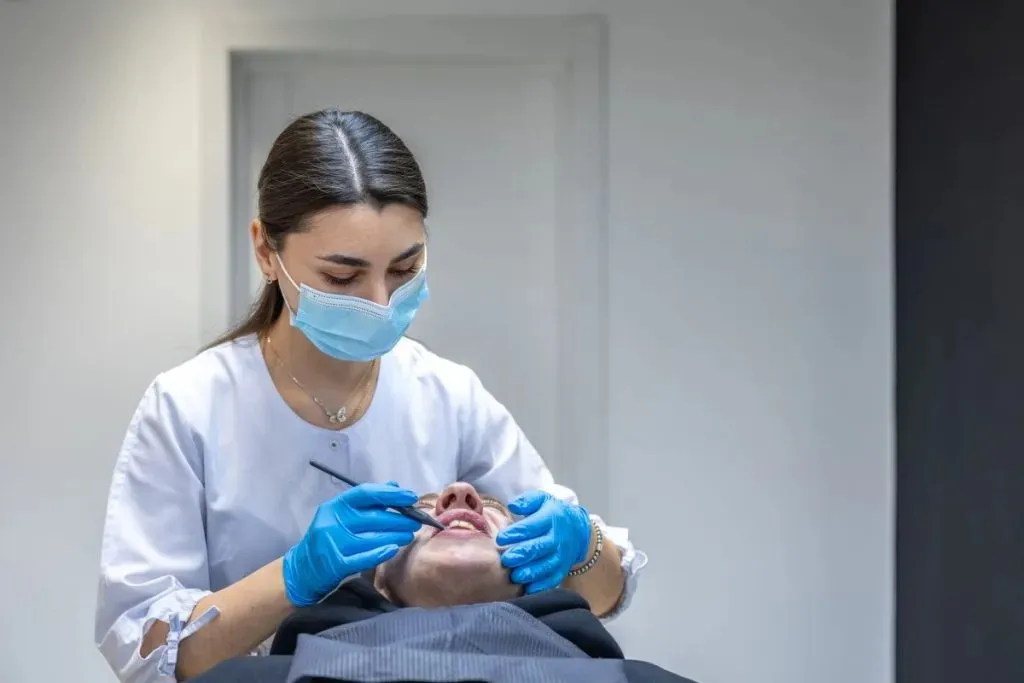
New products can be helpful, but the right choice depends on your teeth and gums. At Waterdown Smiles Dentistry, our hygiene visits include professional plaque and tartar removal, a gum health evaluation and personalized oral hygiene guidance that goes beyond brushing and flossing.
Not sure which toothpaste or mouthwash is right for you? Ask us at your next visit, or book dental hygiene in Waterdown to get advice tailored to your smile.