If dental visits make you anxious, sedation can help you feel calm and relaxed during treatment. At Waterdown Smiles Dentistry, we understand why some patients need extra support in the dental chair, whether it's fear of dental instruments, a sensitive gag reflex, or a longer procedure.
Whether you're receiving sedation to manage anxiety or to stay comfortable during a longer visit, planning ahead helps you prepare for your appointment and get home safely afterward.
This article explains how to prepare for sedation dentistry before you arrive for your appointment at our Waterdown clinic.
Your dentist will give you instructions before your visit. They depend on the type of sedation you're having, so always follow the instructions you receive, even if they differ from what you've read online.
Preparing for Sedation Dentistry
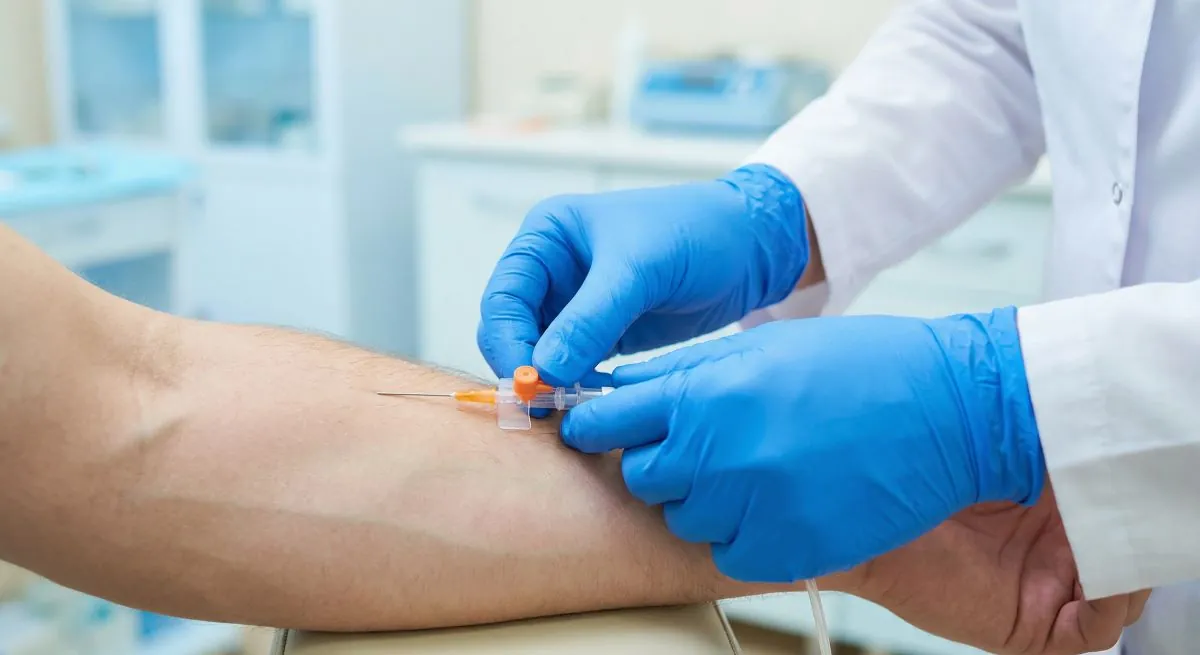
At Waterdown Smiles Dentistry, sedation options include nitrous oxide (laughing gas) and oral sedation (medication taken by mouth). With both, you stay awake and responsive, but relaxed. Sedation is recommended only when it's clinically appropriate, and your medical history is reviewed first. You can read more about the options on our dental sedation in Waterdown page.
Here's how to get ready.
Share Your Health History and Medications
Before your appointment, tell your dentist about any medical conditions, allergies, and all medications or supplements you take. Your medical history is reviewed before sedation, and the sedation is tailored to your age and health. If anything changes before your visit, such as a cold or a new prescription, let the clinic know.
Follow the Eating and Drinking Instructions
You'll receive eating instructions before your appointment. For oral sedation, you may be asked not to eat for a certain time beforehand, so your stomach is settled while the medication takes effect. Nitrous oxide usually needs less preparation. Follow the specific instructions you're given rather than general rules, and ask if anything is unclear.
Wear Comfortable Clothing
You'll want to feel relaxed in the dental chair, so wear loose, comfortable clothing. Avoid tight waistbands, stiff fabrics and anything you'll want to adjust during treatment. Short sleeves or sleeves that roll up easily are a good idea, and leave jewellery at home.
Arrange for Transportation
If you're having oral sedation, the medication can leave you drowsy for some time, so you must arrange for someone to drive you to and from the appointment. Don't drive, operate machinery or make important decisions for the rest of the day.
Nitrous oxide works differently: its effects wear off shortly after treatment. Your dentist will explain whether you can drive afterward, based on the type of sedation you received.
What Sedation Does and Doesn't Do
Sedation dentistry helps you relax; you stay awake and responsive so you can cooperate during treatment, and you're monitored throughout. Sedation also doesn't replace freezing: local anesthesia is still used to numb the area being treated.
With sedation, many patients find that procedures feel easier to get through. That can make it possible to finally book treatment you've been putting off because of anxiety.
You'll receive post-treatment instructions before you leave, and your recovery expectations are explained clearly. For what to avoid afterward and how long the effects last, see our dental sedation page.
Your Sedation Appointment Checklist
Use this quick list in the days before your visit:
- A few days before: confirm your appointment time, tell the clinic about any new medications or health changes, and ask any questions about your sedation option.
- The day before: read your eating and drinking instructions again, and confirm your ride home if you're having oral sedation.
- On the day: follow the eating instructions you were given, take your usual medications only as your dentist advised, wear comfortable clothing, and leave jewellery at home.
- Before treatment starts: tell your dentist how you're feeling, and mention anything that makes you anxious, such as the sound of instruments or a strong gag reflex.
- Before you leave: make sure you understand your post-treatment instructions and who to contact if you have questions.
Questions to Ask Your Dentist
- Which sedation option do you recommend for my treatment, and why?
- What should I eat or avoid before my appointment, and when?
- Will I be able to drive afterward?
Frequently Asked Questions About Preparing for Sedation
What should I do before a sedation dentistry appointment?
Share your full medical history and medication list, follow the eating and drinking instructions you're given, wear comfortable clothing, and, if you're having oral sedation, arrange for someone to drive you there and home. Arrive on time so there's no rush, and ask any questions before treatment starts.
Can you eat before sedation dentistry?
It depends on the type of sedation. For oral sedation, you may be asked not to eat for a certain time before your appointment. Nitrous oxide usually needs less preparation. Your dentist will give you specific eating instructions before your visit, and those are the ones to follow.
Overcome Dental Anxiety at Waterdown Smiles Dentistry
Sedation dentistry is a well-established way to help anxious patients get the care they need. The preparation is simple, and the benefit can be significant: it can help you keep up with regular visits and treatment that protect your oral health.
If dental anxiety has been holding you back, talk to us about whether nitrous oxide or oral sedation is right for you. Book an appointment with Waterdown Smiles Dentistry, and we'll explain your options before any treatment begins.